Buying a Home in SF

What buyers need to understand about pricing, competition, and timing

How the San Francisco Buying Process Really Works

Buying a home in San Francisco is often about moving quickly — and alsso understanding context, reading signals accurately, and knowing when not to rush. The market operates with its own internal logic, shaped by competition, disclosure practices, pricing strategies, and timing expectations that don’t always behave the way buyers expect — especially those coming from other cities or first-time into this market.

In practice, list price is often a signal rather than a destination. Offers are evaluated on far more than the number itself, and the pressure to act decisively can obscure where flexibility actually matters — and where it doesn’t. 

Without a clear framework, buyers can find themselves reacting to headlines, agents’ urgency, or the emotional intensity of competition instead of making grounded decisions.

Kevin Ho helps buyers navigate this complexity by slowing the process down where it matters most. Rather than focusing only on “winning” a property, he helps buyers understand how pricing signals work, how offers are really evaluated, and how to align strategy with real-world conditions and personal priorities. Our goal is to move forward with confidence, avoid common pitfalls, and feel good about the decision long after the offer is accepted.

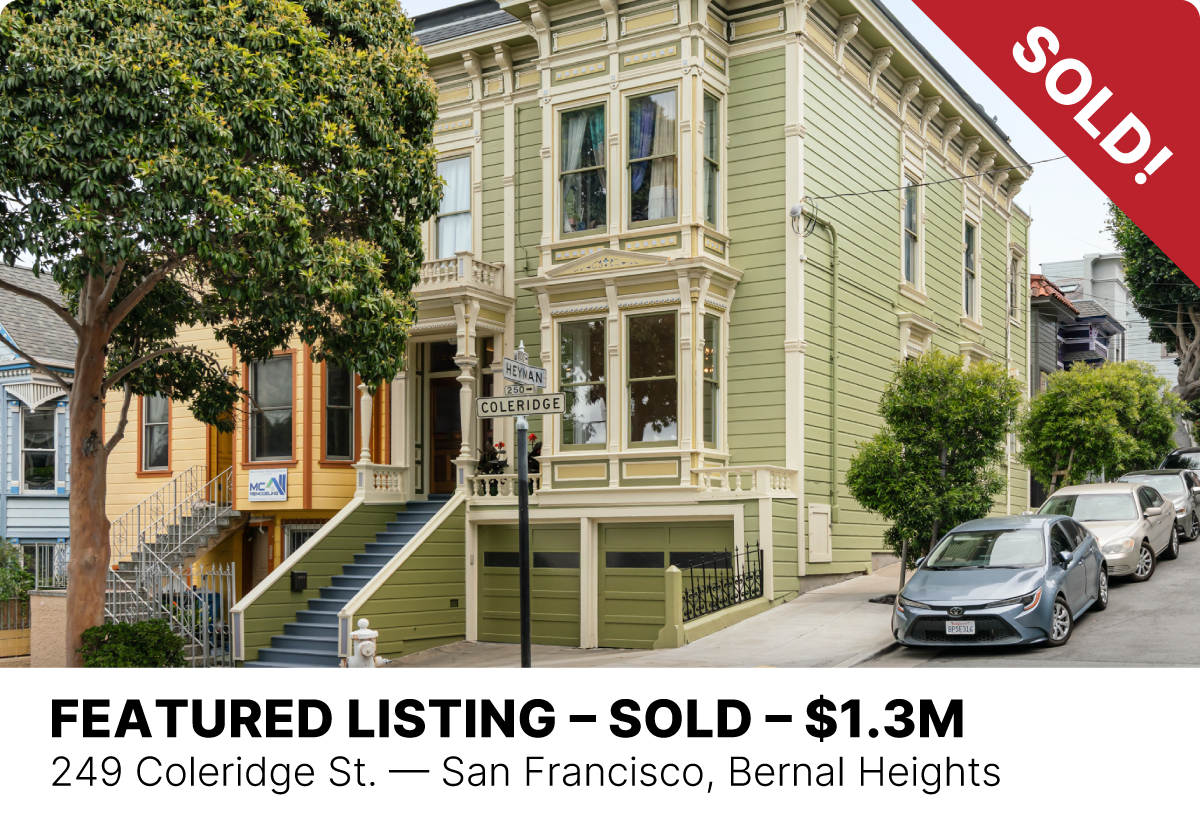
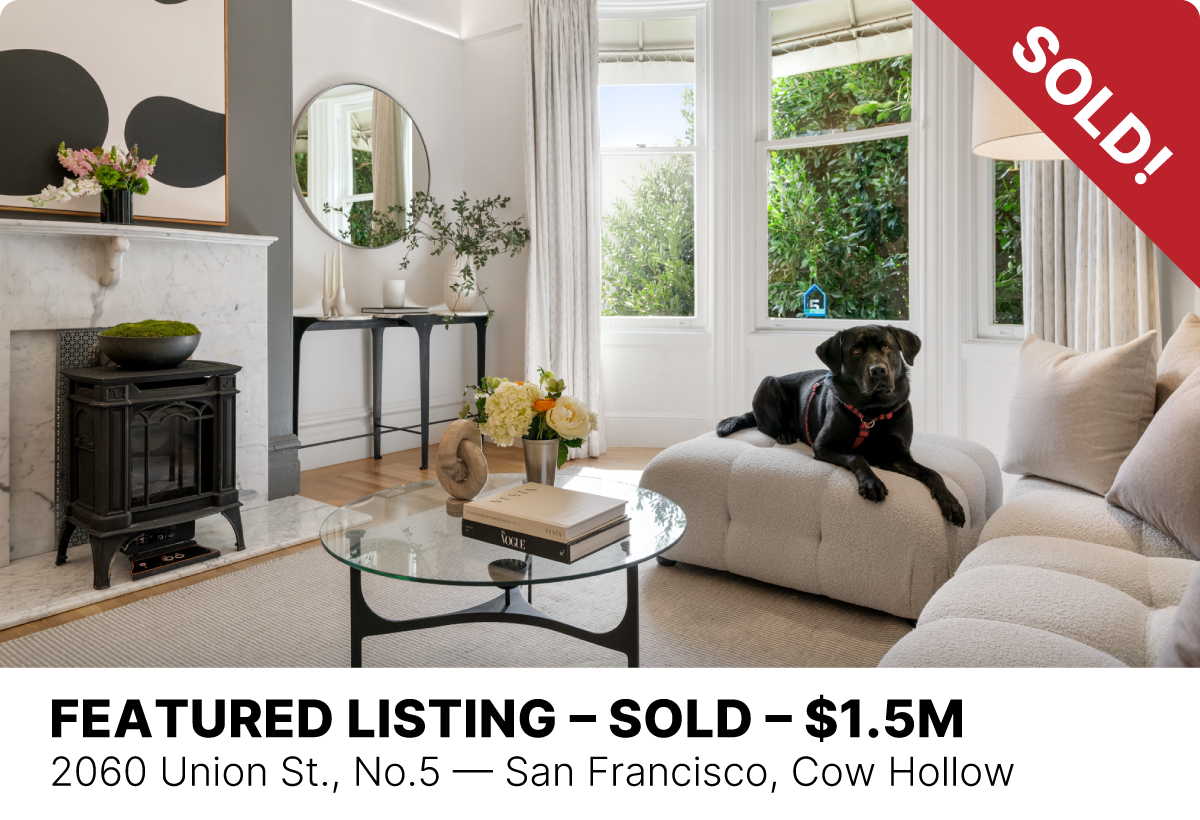
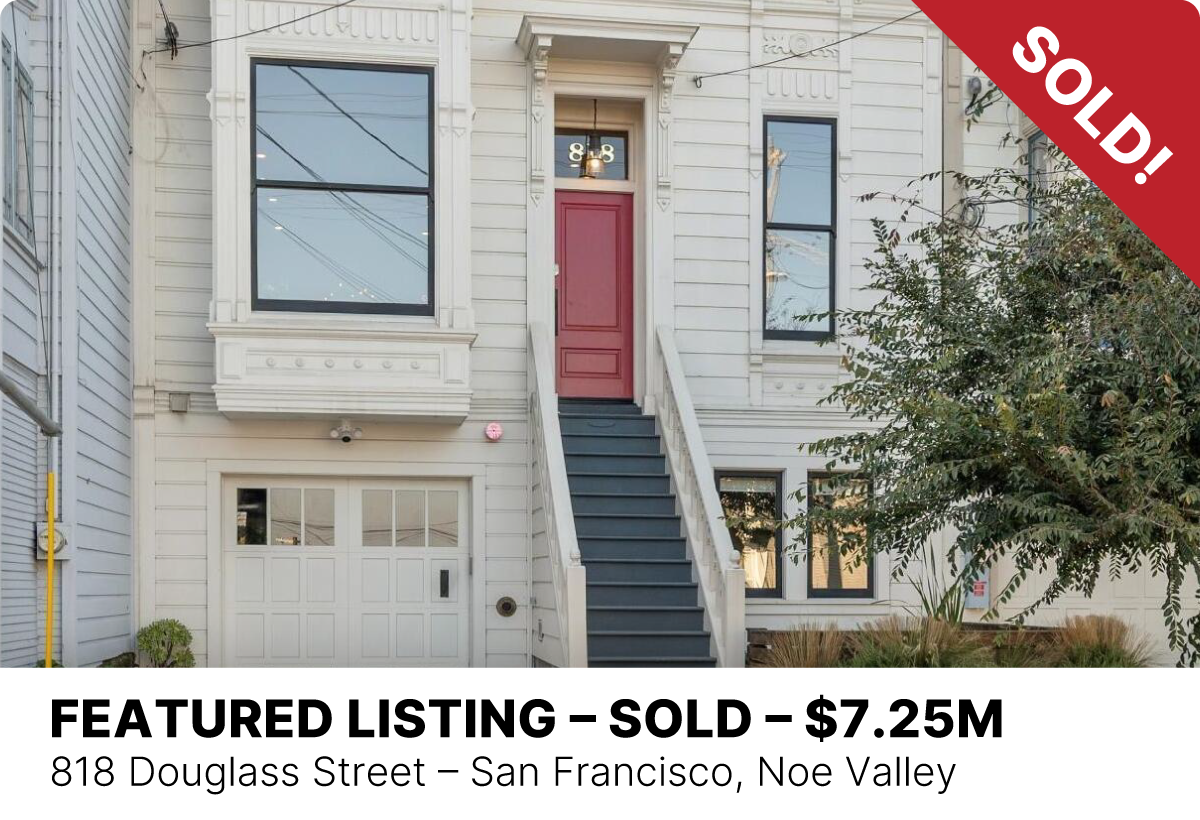
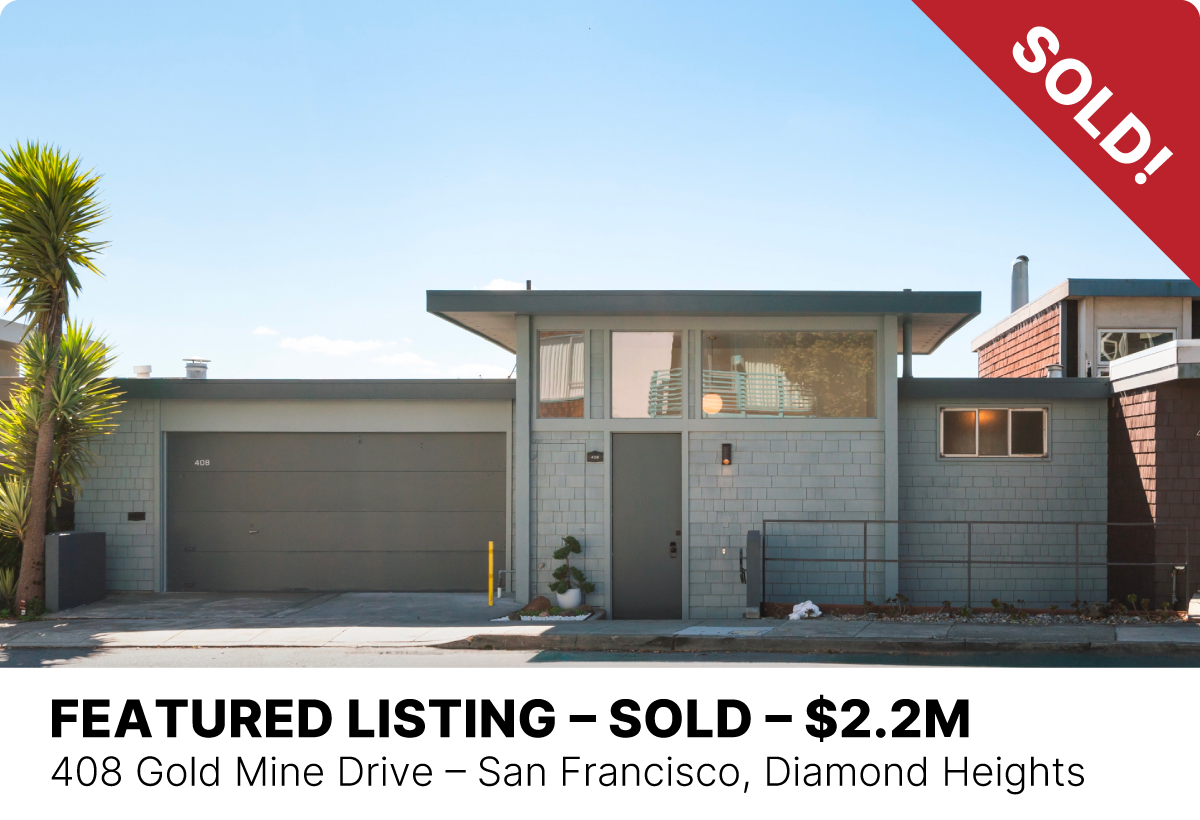
Featured Listings

BUYING IN SAN FRANCISCO

From First Search to Accepted Offer

Buying a home in San Francisco involves more than finding a listing and making an offer. The process is shaped by local pricing strategies, disclosure practices, contract norms, and timing expectations that aren’t always obvious to buyers.

Kevin’s approach breaks the process into clear, manageable steps—so buyers understand what matters at each stage, where flexibility helps, and how to avoid common missteps before pressure sets in.

The San Francisco market operates with its own internal logic. Pricing signals, disclosure practices, competition, and negotiation dynamics often behave differently than buyers expect—especially those coming from other markets or entering the process for the first time.

What the Buying Process Looks Like in Practice

Pricing Isn’t Always What It Seems

In San Francisco, list price is often a strategy rather than a destination. Offers are evaluated on far more than the number itself, and understanding how sellers think about certainty, timing, and leverage is often just as important as understanding price.

Competition Changes Decision-Making

The pressure to move quickly can make it difficult for buyers to separate urgency from strategy. Many buyers mistake competitiveness for risk—or focus so narrowly on “winning” that they lose sight of whether the outcome truly fits their priorities.

Disclosures Shape the Process

Disclosure packages in San Francisco can significantly influence negotiation strategy, financing decisions, timelines, and future costs. Understanding what matters—and what doesn’t—helps buyers make grounded decisions instead of reacting emotionally under pressure.

Timing & Leverage Matter

Offer timing, contingency structure, financing readiness, and market conditions can all influence negotiating power. Flexibility exists in some situations, while in others the room for negotiation is far more limited than buyers initially expect.

Strategy Changes at Each Stage

The buying process can be broken into clear phases—from preparation and financing, to property evaluation, disclosures, negotiation, and acceptance. Each stage comes with its own decisions, tradeoffs, and opportunities to avoid common mistakes.

Moving Forward With Confidence

The goal isn’t simply to compete—it’s to make informed decisions that remain aligned with your priorities long after the transaction closes. Buyers who understand how the process works in practice are better positioned to move decisively without rushing.

PROPERTY TYPES

Understanding Property Types in San Francisco

Buying in San Francisco means understanding what you’re actually buying—not just the number of bedrooms or square footage. Different property types come with different ownership structures, financing considerations, resale dynamics, and long-term tradeoffs.

Kevin helps buyers understand how each property type functions in practice, how it’s valued by the market, and what questions to ask before falling in love with a listing.

The type of property you buy can affect far more than layout or lifestyle. Financing flexibility, decision-making authority, resale behavior, maintenance responsibility, and long-term ownership options can all shift depending on how a property is structured—and how the market views it.

How Different Property Types Affect Your Options

Single-Family Homes

Single-family homes often provide the most autonomy and long-term flexibility, but they can also carry higher entry costs and maintenance responsibility. In San Francisco, inventory, location, lot size, and future expansion potential all shape how these homes are valued over time.

Condos & HOAs

Condos can offer lower maintenance obligations and easier entry points into certain neighborhoods, but shared governance, HOA structures, reserve funding, and building policies all influence ownership experience and resale dynamics. Understanding how a building operates is often just as important as evaluating the unit itself.

TICs (Tenancy in Common)

TIC ownership structures are unique to San Francisco and can create opportunities for buyers seeking more space or location flexibility. However, financing availability, shared obligations, exit strategies, and future condo conversion potential all require careful evaluation before moving forward.

Multi-Unit & Income Properties

Properties with additional units or rental income potential can create long-term flexibility, but they also introduce considerations around tenants, local regulations, financing complexity, and property management. Buyers often need to evaluate both lifestyle fit and operational responsibility simultaneously.

Financing & Ownership Tradeoffs

Different property types can change how lenders evaluate risk, how quickly transactions move, and what financing options are available. Advice that works well for one category can be misleading—or outright wrong—for another. Understanding those differences early helps buyers avoid surprises later in the process.

Long-Term Flexibility

Property type influences more than the initial purchase. It can shape future remodeling potential, refinancing options, rental flexibility, resale timing, and how easily a property adapts as life circumstances change over time.

SPECIAL SITUATIONS

Understanding Complex Real Estate Situations

Not every home sale follows a standard path. In San Francisco, many listings come with legal, financial, or physical conditions that change how the process works—and what buyers need to evaluate before moving forward.

Special situations don’t automatically mean higher risk, but they do require a different lens. Understanding what you’re looking at—and what questions to ask early—can prevent costly surprises later.

Kevin helps buyers navigate situations involving as-is sales, probate transactions, deferred maintenance, renovation projects, tenant-occupied properties, and other complexities that can affect timing, financing, negotiations, and long-term ownership considerations.

In San Francisco, special situations often change the rules of engagement. Financing flexibility, disclosure scope, repair negotiations, seller authority, and timing expectations can all behave differently than they would in a standard transaction. Understanding where risk is manageable—and where standard assumptions no longer apply—is often what separates a workable opportunity from an expensive surprise.

Common Special Situations

As-Is Sales

Properties sold as-is limit the seller’s obligation to make repairs—but they don’t eliminate a buyer’s responsibility to understand condition, disclosures, and long-term implications. The key is knowing what “as-is” actually means in practice, not just in language.

Probate & Court Confirmation

Some sales require court approval, which can affect timing, certainty, and competition. These transactions follow specific procedures, and understanding how confirmation works is essential before writing an offer.

Renovation & Construction Projects

Homes that need significant work—or are mid-renovation—raise questions about permits, budgets, financing, timelines, and resale impact. Evaluating these properties requires balancing potential upside with execution risk.

What to Look For

Special situations reward preparation. Knowing where to focus—from disclosures and title history to physical systems and seller authority—helps buyers separate manageable complexity from true red flags.

Seismic Considerations

In San Francisco, seismic risk is part of the equation. For certain properties, understanding retrofit status, structural design, and insurance implications is critical to long-term ownership planning.

LONG-TERM OWNERSHIP

What Ownership Really Means After You Buy

Buying a home in San Francisco doesn’t end at closing. Ongoing costs, tax treatment, and how ownership is structured can shape long-term affordability, flexibility, and future decisions far more than many buyers initially expect.

Just as important, ownership isn’t purely financial. It affects how comfortably a home fits your life over time—how easily you can adapt to change, make future decisions, or hold the property long term as priorities evolve.

Kevin helps buyers think beyond the transaction itself by understanding how ownership works in practice: title structure, property taxes, refinancing flexibility, long-term planning considerations, and the real-world tradeoffs that emerge over time.

Many ownership decisions are made quickly during escrow, but their effects often unfold slowly—through refinancing, remodeling, life changes, tax events, or eventual resale. Understanding those dynamics early helps buyers avoid surprises later and make decisions with greater confidence.

Ownership Doesn’t Stop at Closing

Title & Ownership Structure

How a property is titled—and how ownership is shared—affects decision-making authority, liability, tax treatment, inheritance planning, and future flexibility. Once ownership structures are established, changing them later can become far more complicated than many buyers realize.

Property Taxes & Proposition 13

Property taxes in San Francisco are relatively stable under Proposition 13, but they are not static. Reassessment events, improvements, ownership transfers, and changing use of the property can all influence long-term costs in ways buyers don’t always anticipate.

Refinancing & Future Flexibility

Ownership decisions made during purchase can affect refinancing options, borrowing flexibility, rental potential, and resale timing years later. What feels theoretical during escrow can become highly practical as circumstances evolve over time.

Capital Gains & Long-Term Planning

Tax implications often feel distant at the time of purchase, but how a property is used, held, or transferred over time can shape future outcomes significantly. Long-term ownership planning creates more room for flexibility later—and fewer forced decisions under pressure.

Ownership & Lifestyle Fit

A property isn’t just an investment—it’s part of how you live. Ownership structure, maintenance obligations, location, and flexibility all affect how comfortably a home supports changing priorities over time.

Planning Beyond the Purchase

The goal isn’t to predict every future scenario. It’s to understand how ownership functions in the real world so that decisions made today remain aligned with how you want to live, hold, and eventually move on from the property.