How preparation, strategy, and timing determine how your home performs
Selling a home in San Francisco is rarely just about putting a sign in the yard; it is about orchestrating a narrative that resonates with the city’s unique buyer pool. The SF market operates on a distinct frequency where preparation, presentation, and pricing are not just checkboxes, but levers of influence. By understanding the internal logic of local demand, sellers can move beyond hoping for a result and start actively engineering one.
In this market, the list price is a strategic opening gambit rather than a final destination. Kevin Ho helps sellers navigate the nuance of “transparent pricing” versus “event pricing,” ensuring that every disclosure, staging choice, and marketing beat is calibrated to build maximum leverage.
The goal is to create a sense of inevitability around the sale, allowing the seller to remain in the driver’s seat even when the bidding process begins to accelerate.
Ultimately, a successful sale is the product of intentional friction and flow. It requires knowing when to invest in high-impact improvements and wvhen to let the property’s inherent character speak for itself. By slowing down the pre-market phase to refine the strategy, sellers can avoid the pitfalls of over-exposure and “stale” listings. Our approach ensures that when the home finally debuts, it does so with a clarity that commands attention and a strategy that delivers confidence long after the keys are handed over.
Selling a home in San Francisco involves more than preparing a property for market. Pricing strategy, disclosure timing, presentation, buyer psychology, and launch sequencing all influence how value is ultimately realized.
Kevin’s approach breaks the selling process into clear, manageable phases—so sellers understand where to prioritize effort, how to maximize leverage, and how to position the property with clarity from the initial launch through closing.
The San Francisco market operates with its own internal logic. Competition cycles, disclosure expectations, pricing psychology, and buyer behavior often shape outcomes as much as the property itself.
Selling in San Francisco is rarely a straight line. While the milestones may look familiar—preparation, marketing, negotiation, and escrow—the way value is actually realized is shaped by local bidding norms, disclosure timing, buyer psychology, and how inventory conditions influence leverage across the market.
In practice, a listing functions as a curated market event rather than simply a public record. Success depends not only on the home itself, but on how clearly the offering is positioned, timed, and communicated to buyers. Sellers who rely on generic market advice often find themselves reacting to buyer hesitation rather than leading the conversation from a position of strength.
Pre-sale disclosure packages are a defining part of San Francisco real estate. By organizing inspections, reports, and disclosures upfront, sellers create more certainty for buyers and reduce the friction that often slows or destabilizes transactions later in escrow.
Many sellers over-invest in renovations that don’t meaningfully increase value—or overlook issues that quietly weaken buyer confidence. Effective preparation is less about spending indiscriminately and more about understanding what today’s buyers actually respond to.
Staging isn’t simply decorative. It influences how buyers emotionally understand scale, light, flow, functionality, and lifestyle. Thoughtful presentation helps buyers connect with a property quickly while reinforcing the overall pricing strategy.
Pricing in San Francisco is not simply a math exercise—it’s a positioning strategy. List price, timing, disclosures, presentation, and buyer psychology all work together to shape how the market interprets value and how competition develops around a property.
Kevin’s pricing approach is designed to create leverage early by aligning preparation, presentation, and buyer expectations before the home ever reaches the market.
The strongest pricing strategies don’t just react to demand—they help create it. In San Francisco, pricing often functions less as a prediction of outcome and more as a strategic opening move that frames how buyers engage with a property from the very beginning.
In San Francisco, the list price is rarely the expected sale price. It functions as a strategic opening move that frames buyer behavior from the moment a home enters the market.
Rather than anchoring expectations too early, pricing is calibrated to invite engagement, concentrate attention, and preserve leverage through offer day. This approach avoids the pitfalls of “testing” th e market and instead leads it — creating momentum that buyers can feel, even before the first showing.
Pricing strategy doesn’t stand alone. It is reinforced — or undermined — by preparation, disclosure clarity, and presentation. When buyers understand a home’s condition, scope, and positioning upfront, hesitation drops and confidence rises. That confidence is what allows pricing strategy to hold. Without it, even well-intended pricing can stall. With it, sellers retain control as competition builds.
For many sellers, success is measured not just by sale price, but by the net result. Timing, improvement decisions, and tax considerations all affect what sellers ultimately keep. Understanding these factors early allows strategy to support both the sale itself and the broader financial picture — avoiding rushed decisions or surprises late in the process. When appropriate, Kevin encourages coordination with tax professionals so pricing and timing decisions align with long-term goals.
Strong results are rarely the product of reacting to buyer feedback mid-stream. They are shaped before a home ever appears online. By aligning preparation with buyer expectations, clarifying disclosures, and structuring timelines that compress uncertainty, sellers stay in the driver’s seat. When buyers feel informed, confident, and aware of competition, outcomes tend to exceed expectations — without unnecessary concessions.
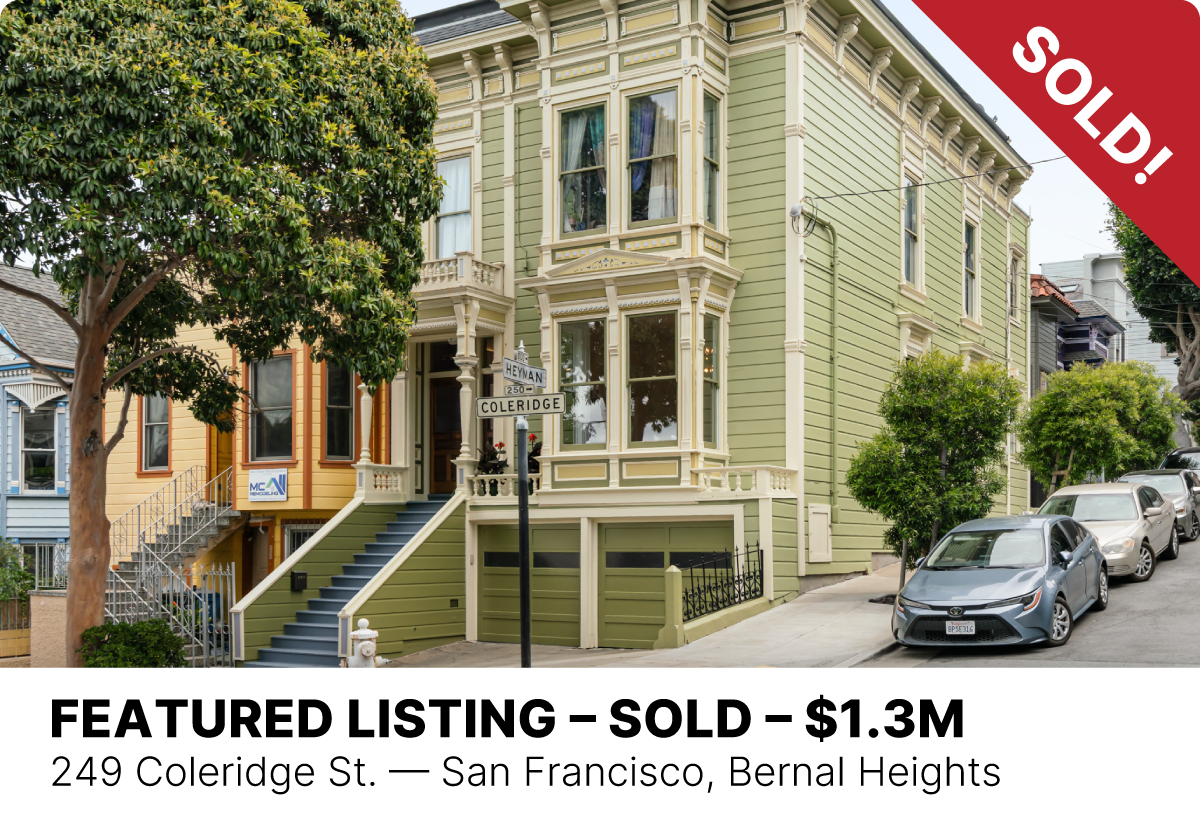
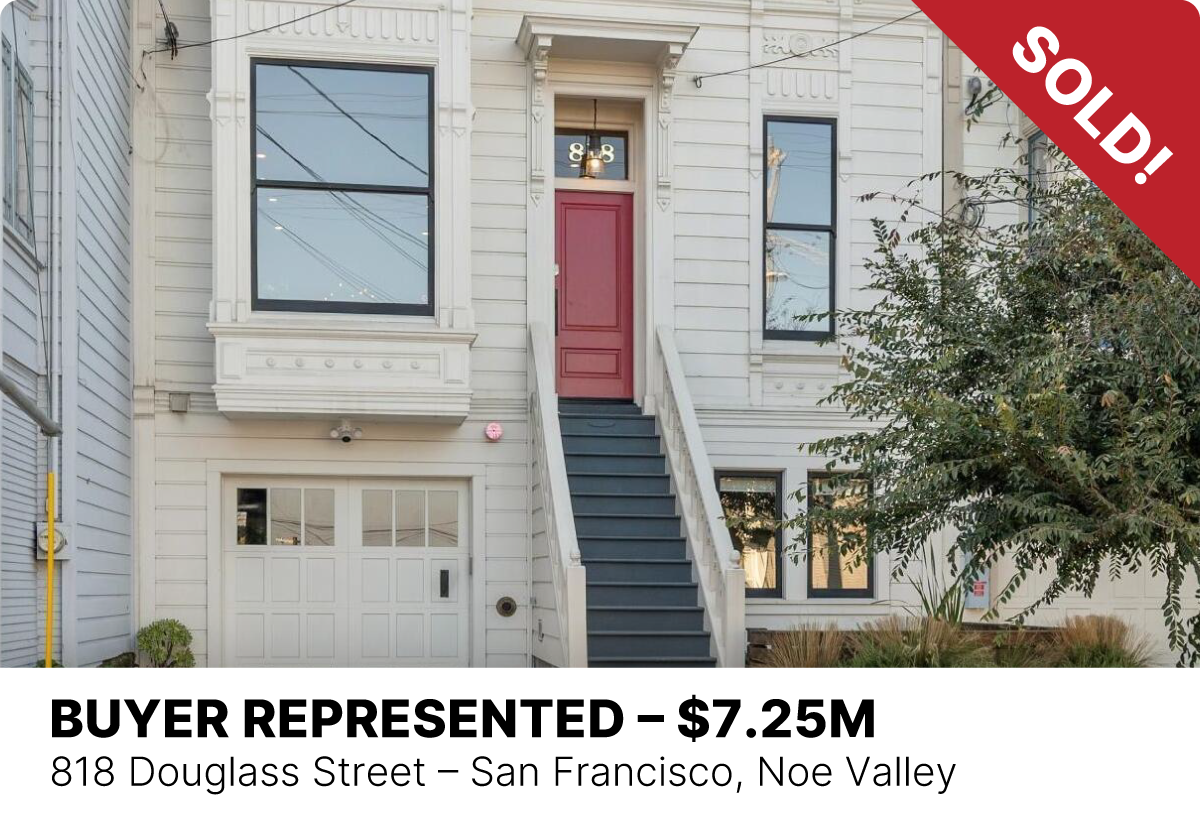
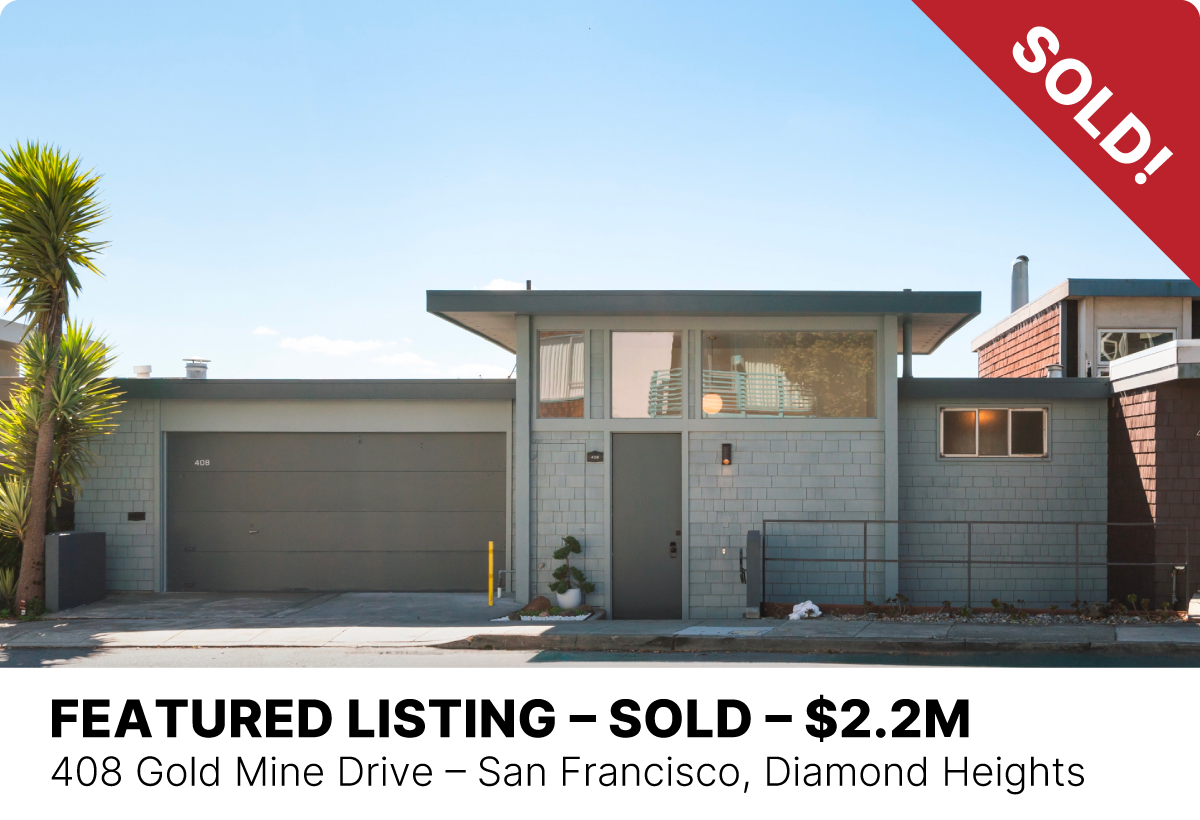
Past sales matter not as trophies, but as evidence. Each transaction leaves behind useful signals about pricing posture, buyer response, and leverage under real market conditions. Kevin uses this historical perspective to refine strategy — understanding what translated into stronger offers, cleaner terms, and smoother closings — so each sale benefits from what the market has already revealed.