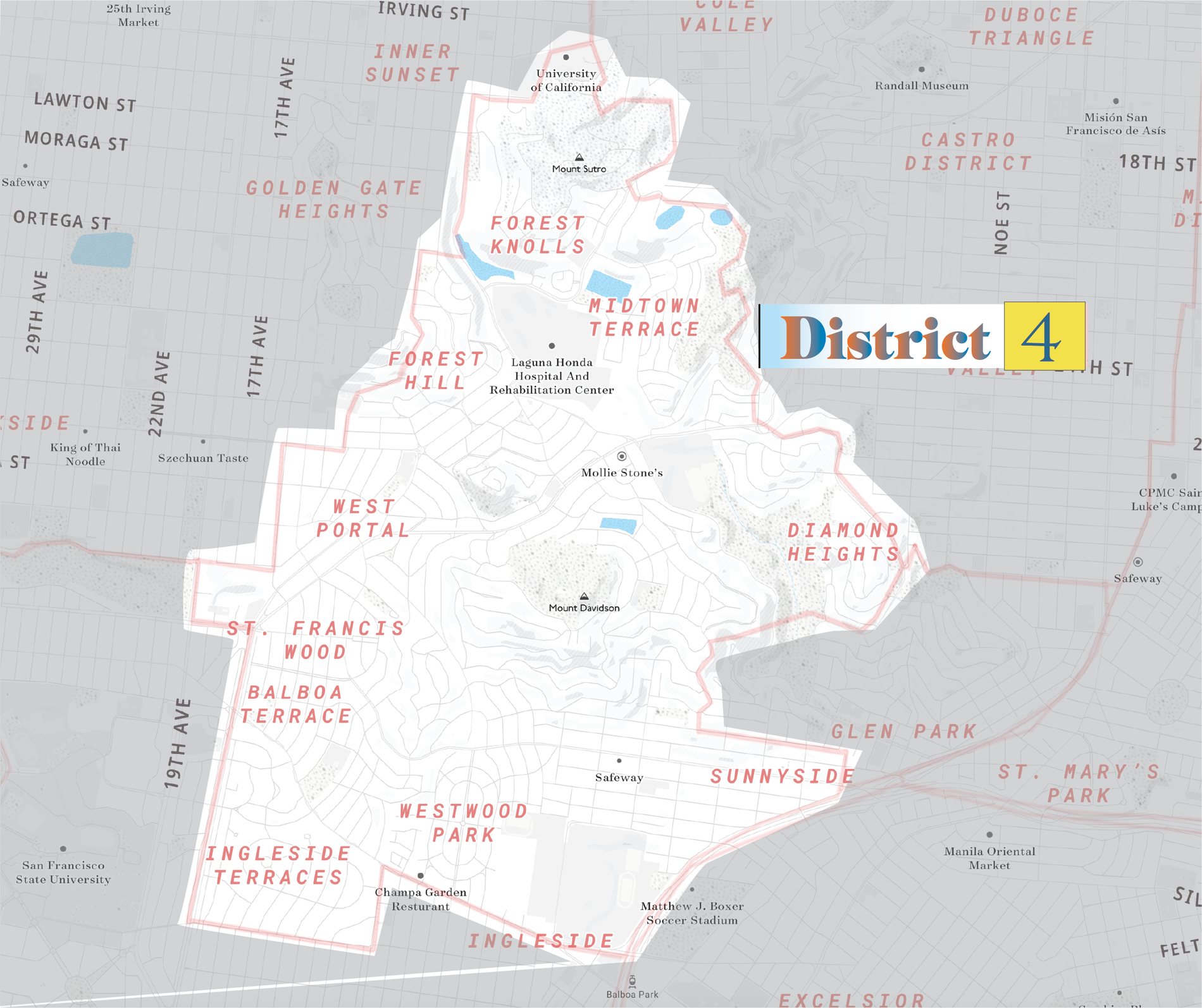
West Portal
The ‘new’ Noe Valley
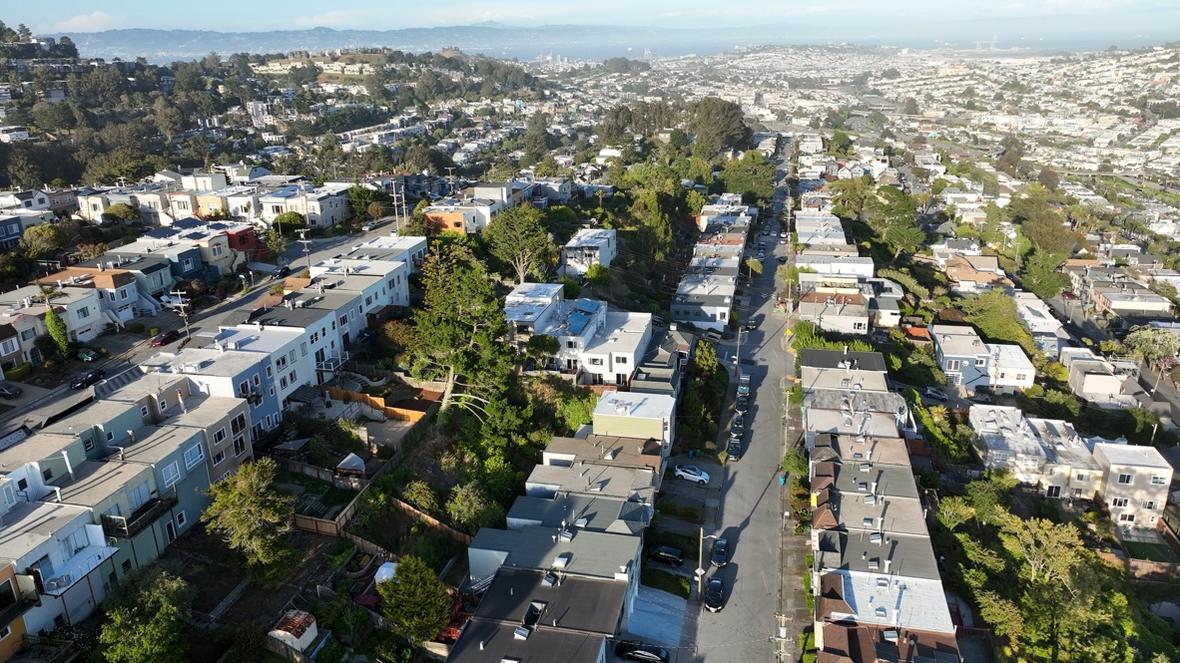
No neighborhood drag in the City is more dominated by the MUNI light rail than West Portal.
A mix of 1950s-vibe local and national businesses and angled parking spaces — a gold store
next to a title company next to the Korean BBQ across the street from the Mexican place that
doesn't have an ounce of dust anywhere.
It's one of the rare neighborhoods where you'll see whole families out and about,
Norman Rockwell-style. Americana, updated for the 21st century. The houses sit on windy,
curvy streets that bound up toward the Inner Parkside — big houses in varying styles,
stucco-clad Tudor and Spanish colonial anyone?, clutches of cute redone ones
next to each other, and plenty of long-tenured, neglected houses ripe for renovation.
Proximity to Portola, the 280 and MUNI make it popular, as do good schools.
$2,700,000 median in 2026 at 123.3% of list in 8 days — tied for the fastest
in the district, and up 89.7% since 2013–2015.
The People
Long-time owners who never left, families who came for the schools and the tunnel,
students riding the M to SF State, Peninsula commuters — and the occasional
very-lost-looking tourist.
Midtown Terrace
Space, kids, practicality
You live here for room and for your children. That gets you over the isolation,
the fog and the occasional bout of existential anxiety. Zero-lot-line houses,
late art deco into mid-century, median year built 1956 —
the newest stock in the district apart from Diamond Heights.
The redone ones can be very nice, with spectacular views. The ones that haven't been
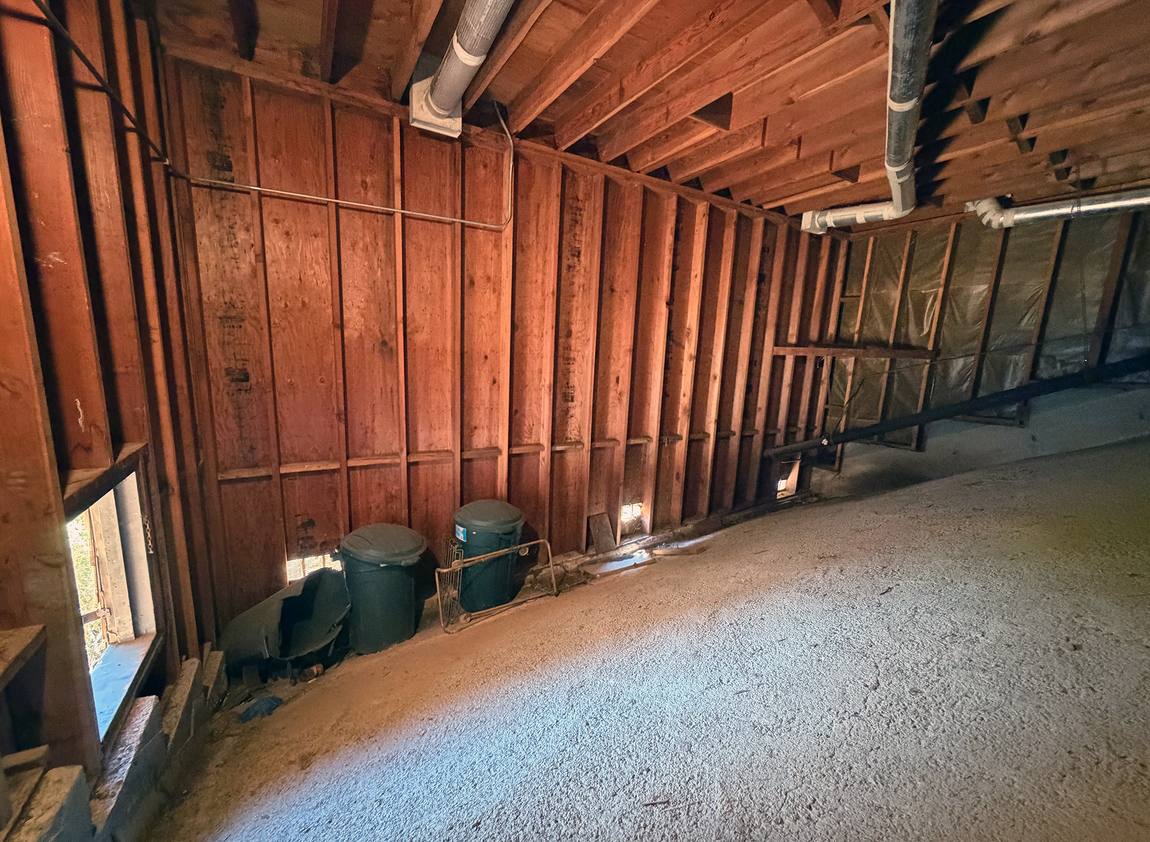
may suffer from dampness, moisture-related structural issues, and materials of
questionable modern reputation, asbestos included.
Some homes are on stilts, on curvy streets cut into steep bluffs.
Investigate the foundation and the soil — some parcels carry land subsidence risk,
and subsidence is typically excluded from standard homeowners policies. Not a reason
to walk away. A reason to read the geotechnical section before contingencies come off,
not after.
A $1,902,500 median — but at
$1,343/sqft, the highest per-foot figure in District 4.
The small-house effect in its purest form.
The People
Young families trading up out of a condo, UCSF and hospital staff, engineers who wanted
a view and a garage, and original owners who've been on the hill since the tract went up.
Forest Hill, the Extension & Forest Knolls
The greatest variation in the district
These snake through the areas between Golden Gate Heights, Portola and Glen Canyon
on the backside of Twin Peaks, bounded by steeper valleys. You'll find the traditional
Sunset-style two-bedroom home-over-garage — and also big sweeping houses that look like
they came straight off the side of a landscape lighting box.
Forest Hill is the top of the district's market:
$3,355,000 median at $1,331/sqft, 126.3% of list, 8 days.
It also holds the district record —
111 Edgehill Way, 10,121 sqft, $7,800,000 in May 2026.
Forest Knolls needs an asterisk.
On the median it looks like the weakest neighborhood here. It isn't — it's two markets
sharing a subdistrict: the attached late-1970s townhomes on Clarendon and Galewood Circle
at a $1,155,000 median, and the detached mid-century view houses on Oak Park, Christopher,
Crestmont and Warren at $1,925,000.
39 Christopher Drive closed at $3,650,000 — 182.7% of list in 7 days.
Ask which Forest Knolls you're looking at.
The People
Architects and design-minded owners who came for the mid-century stock, physicians near UCSF,
multi-generational families in the bigger Forest Hill houses, and long-tenured owners
sitting on decades of appreciation.
St. Francis Wood · 4G
Pasadena, with weather
If this neighborhood had better weather it would rival Pacific Heights and Presidio Heights
for value and luxury. As it is, the ‘gated’ neighborhood is the closest you'll get to
Pasadena or San Marino in the City — key-access parks, a large fountain or two,
single-family homes only, streets named for California cities with a “Saint,” “San”
or “Santa” in front.
Many, many styles — essentially anything that looked expensive, or was ever perceived as such,
in the 1940s and 1950s. Some renovated in that Peninsula/Orange County, terrazzo-heavy manner;
many others awaiting updates after decades in one family.
Expect porta-potties and contractor trucks among the Benzes and the leaf-blower crew.
That's the sound of a neighborhood turning over.
On the National Register since June 30, 2022, laid out by the Olmsted Brothers
as a City Beautiful residence park. Projects trigger CEQA review and new work must be
architecturally compatible. It protects the streetscape you're paying for and it lengthens
your remodel timeline.
And the dues are real.
86% of sales here since 2020 carry an association fee, at a median of $2,244 and running
as high as $7,768 — no other neighborhood is close.
Confirm current assessments with the St. Francis Homes Association before you write.
The People
Established families on their third house, physicians and attorneys, second-generation
owners inheriting the family home — and, increasingly, tech buyers who wanted a lawn
and a driveway inside the county line.
Diamond Heights
A mid-century redwood village
Dreamt up in the 1950s and 60s by the people who brought us the Eichler homes,
this was the first big project the San Francisco Planning and Urban Renewal Association
directed — modern building techniques used to fit much-needed housing into hilly topography
instead of simply bulldozing the area, as was done elsewhere in California.
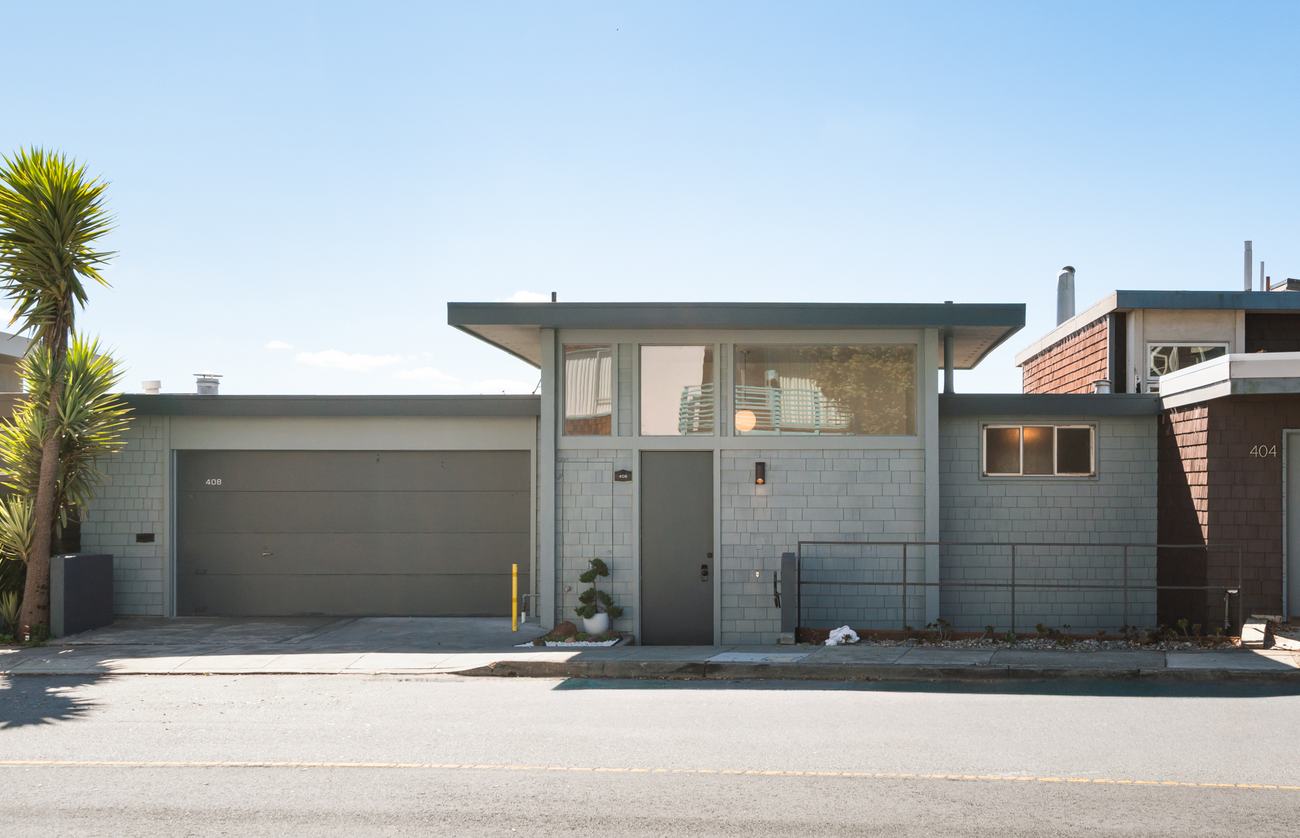
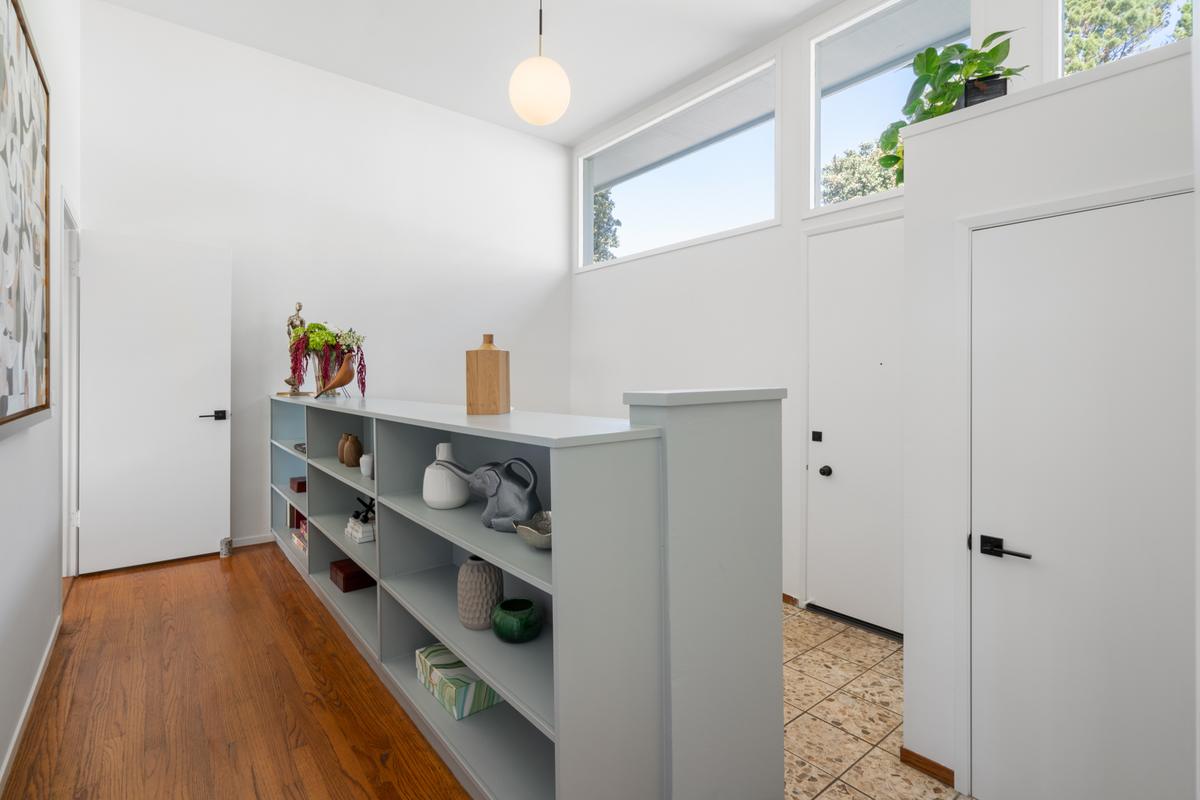
Inside it's definitively mid-century: exposed ceiling joists as a pronounced design element,
carpet underfoot, big-pane glass walls, sliding doors to a patio, low-slung stone fireplaces
and faux wood panels. Central and removed at the same time — higher elevation, no light rail,
and no commercial to speak of beyond the Safeway-anchored strip mall.
Two markets, one neighborhood.
The big view houses over Glen Canyon and Noe Valley ran $3,000,000 in 2026
at 116.7% of list. The studios and one-bedrooms on Red Rock Way, Diamond Heights Boulevard
and Ora Way ran $636,000 at 98.4% of list, sitting 58.5 days —
down 13.6% from their 2018 median.
Eight years, and that segment is worth less than it was. It is also one of the few genuinely
negotiable things left on the west side. Read the reserves and the special assessment history
on any 1970s building.
The People
Mid-century devotees in the houses; first-time buyers, downsizers and long-term
renters-turned-owners in the condominiums. Two completely different buyer pools
sharing one hilltop.
Miraloma Park
The volume engine
Heavily residential, branching off Portola and running down curvy lanes of densely packed
homes with front-facing garages. Wood floors, assorted architectural details, single-pane
windows, older systems. Mostly stucco-clad two-bedroom, one-bath homes in the marina,
Spanish and art deco styles — and more of them remodeled every year, with a tell-tale
darker, sleeker facade announcing which.
46 sales in 2026, more than any other neighborhood, at a $2,325,000 median,
$1,177/sqft, 125.4% of list in 10.5 days.
It also produces the district's surprises at the top:
235 Lansdale at $5,500,000, 199 Brentwood at $4,800,000, 210 Lansdale at $4,625,000 —
140.4% of list in 8 days.
Those are not two-bedroom stucco boxes.
Miraloma Park has a hidden upper tier on the higher view-side streets,
and most buyers don't know it's there until they're bidding against it.
The People
Families trading up out of Glen Park and Noe, contractors and tradespeople who bought early
and did the work themselves, teachers and City employees, and a steady stream of second-time
buyers who wanted a garage and a yard.
Sunnyside · 4S
The affordable one, and the hardest to win
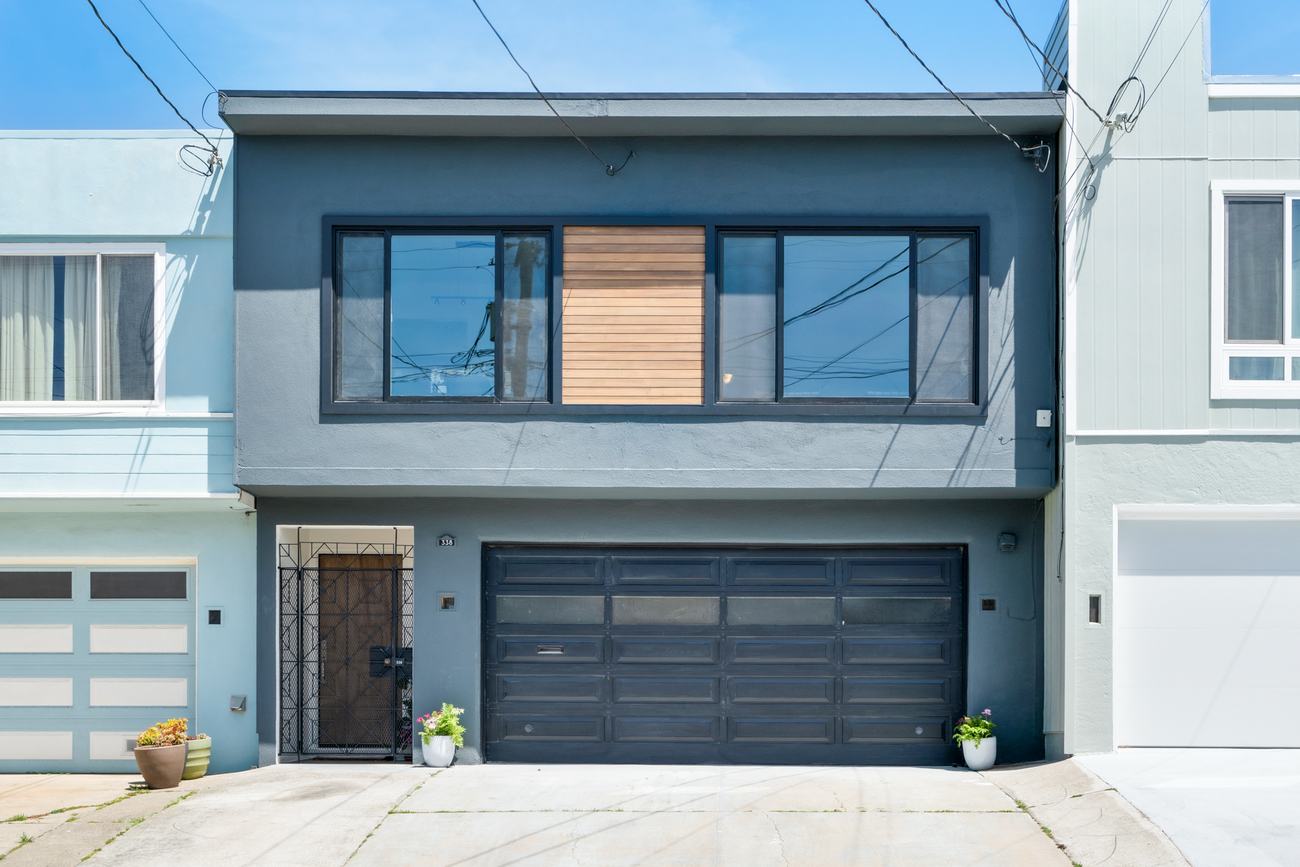
Marina-, craftsman- and art deco-style homes built from the 1920s through the 1940s,
with the errant Victorian here and there. Going through the same demographic turnover
Glen Park and Bernal Heights went through, and some blocks are further along than others.
Most common configuration:
2–3 bedrooms, 1–2 baths, garage, roughly 1,200–1,400 sqft.
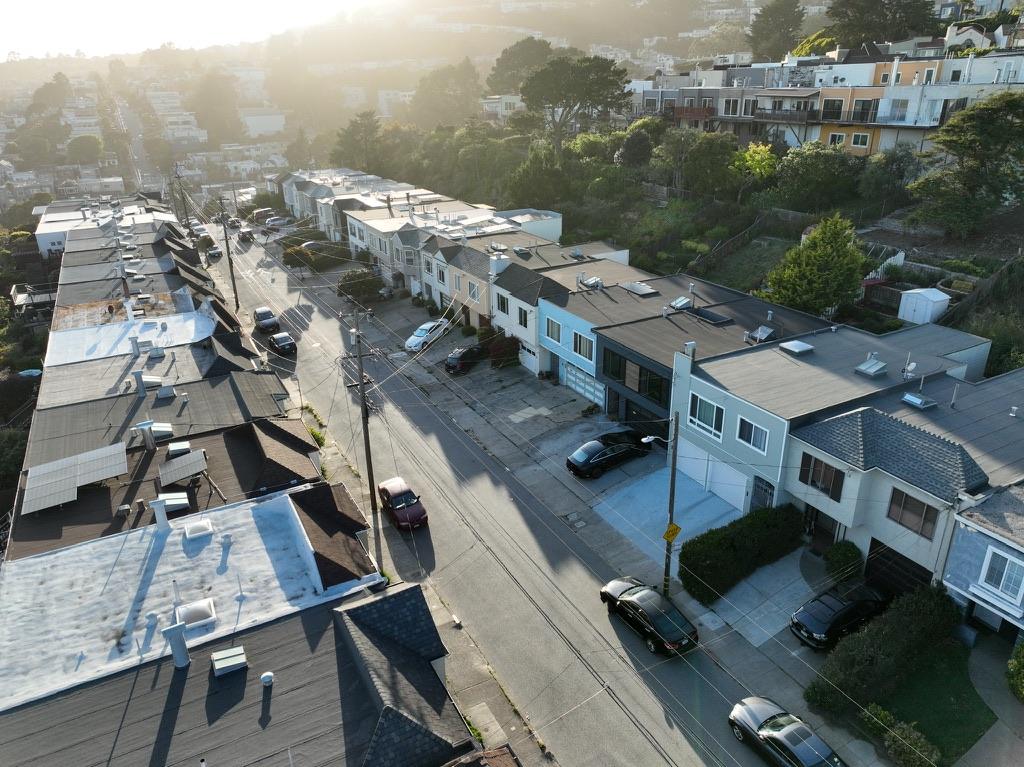
It feels like an extension of Glen Park — same southern slope of Twin Peaks running down
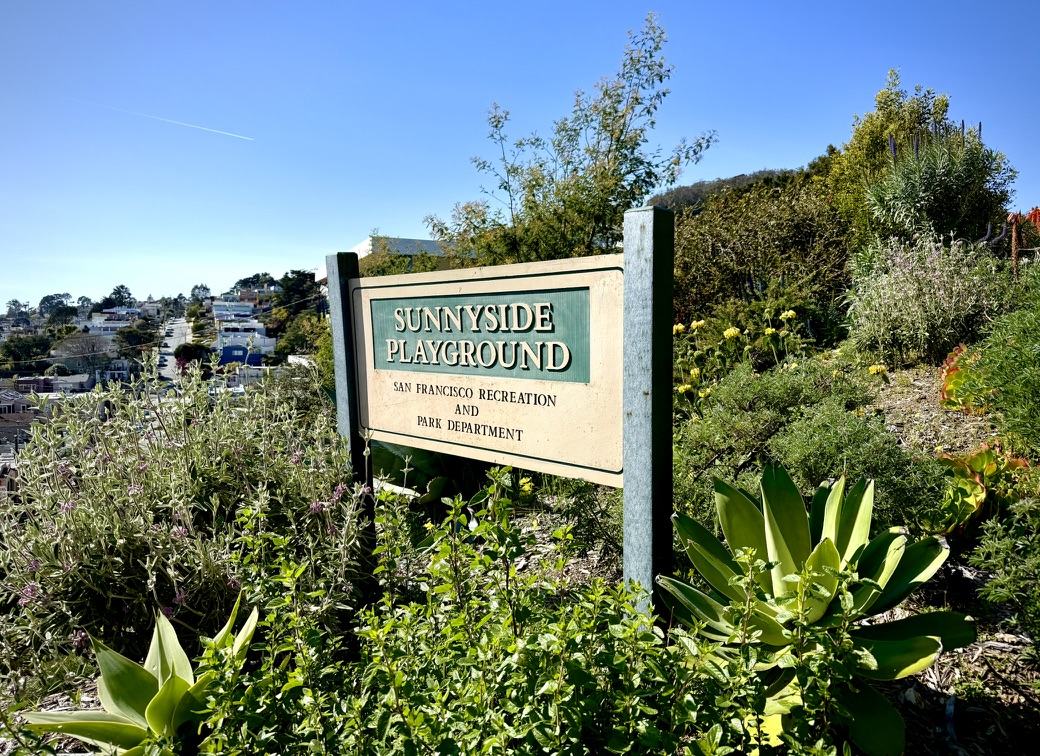
to the 280. Good schools, Sunnyside Playground, and access to the 280, 101 and Glen Park BART.
One thing genuinely differentiates houses here: whether you can hear the freeway.
Walk the block. Twice.
Sunnyside remains the most affordable neighborhood in District 4 at $1,715,000.
It is also the most competitive: 128.8% of list, with 97.7% of sales closing above asking
— the highest share anywhere in the district.
201 Gennessee closed at 181.4% of list; 259 Staples at 174.9%.
At $1,238/sqft it prints a higher per-foot figure than St. Francis Wood,
on houses with a median 1,556 sqft on the classic 2,500 sqft lot.
The People
First-time buyers who ran the numbers on Noe and Bernal and came here instead,
young families, long-time Irish and Filipino owners handing houses down,
and the occasional flipper who spotted the block before everyone else did.
Westwood Park · 4R & Westwood Highlands
Same slope, different offer table
Westwood Park is a giant racetrack-shaped swath running from Monterey
down toward Ocean. Bigger parcels, often detached, usually stucco-clad — though you get
the arts-and-crafts California bungalow look too, with big columns and blockier ornamentation.
Most homes have that sprawling feel when you walk in, living areas confined to one larger
main level, 2–3 bedrooms and at least two bathrooms. Spanish Mediterranean, art deco and
mid-century exteriors, with lots of gumwood and eucalyptus millwork and rich fireplaces.
A nice detail: the power lines come in at the back, so the front façade and
streetscape stay clean. A Californian vibe rather than a San Francisco one — more of a
Six Feet Under, 2000s Los Angeles feel, if that makes sense.
If a remodel is done right the house will be a good one. If it's done poorly it costs
far more to undo than you'd expect, because the damage is that much worse.
Westwood Highlands and Sherwood Forest climb the slope above Monterey toward
Mt. Davidson — larger parcels, detached, 3–4 bedrooms, often more than one parking space,
and a more obvious pride of ownership than most of the City. More removed, though:
you'll need a car and you'll use it.
The split is striking. Westwood Highlands:
$2,920,000, 121.9% of list, 100% of sales over asking, and the biggest gain
in District 4 at +92.2%. Westwood Park: $2,757,809 but at
109.1% and just $200,990 over — the calmest neighborhood here by a wide margin.
If you want a big District 4 house without the pile-on, that's the most underrated answer
in this Survey.
The People
Established families who wanted square footage over walkability, Peninsula commuters,
a strong contingent of long-tenured owners, and buyers who lost three times in Miraloma
and widened the search.
Ingleside Terraces, Mt. Davidson Manor & Balboa Terrace
The old racetrack
Did you know there was a big speedway loop that dominated this neighborhood back in the day?
It's true — the Ingleside Race Track ran from 1895 to 1905, and
Urbano Drive still traces the oval.
In the middle, on Entrada Court, sits the 1913 sundial that most San Franciscans have never seen.
Just south of a revitalizing Ocean Avenue. The streets are winding and curvy, anchored by
detached, stylized houses mixing craftsman and Mediterranean, feeling more like Orange County
than the City — save for the fog. Manicured lawns with cypresses, driveways, pastel-colored
homes considerably larger than most of the City.
The neighborhood was socked in a lot of the time, but between climate change and
the housing crunch it's getting far more attention, and you're seeing bigger and bolder
fixers and flips. The same vibe carries across Ocean and south of St. Francis Wood into
Balboa Terrace and Mount Davidson Manor.
A $2,393,114 median at 124.1% of list, on the
largest lots in District 4 by a distance — a 5,723 sqft median.
It also posted the district's highest ratio this year:
885 Head Street at $2,305,000, 200.4% of list.
The People
Multi-generational households, families drawn by lot size, SF State faculty and staff,
long-tenured owners, and a growing share of buyers who commute south on the 280
and never go downtown at all.